Basement Window Well Installation & Egress in Milwaukee
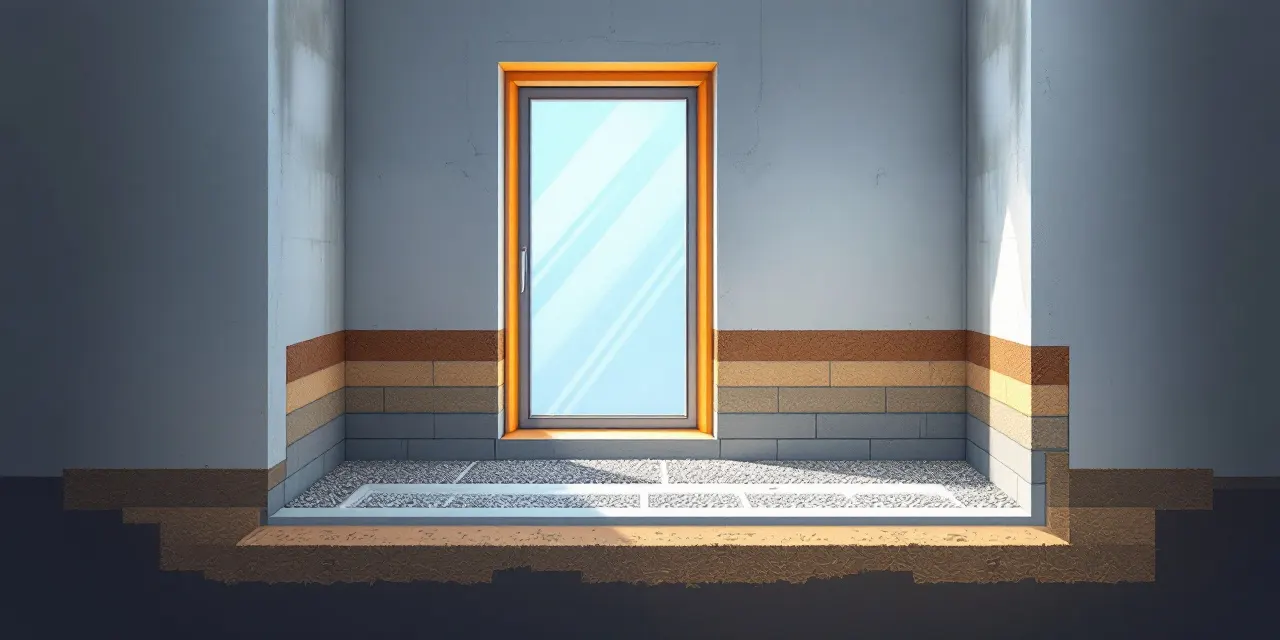
If your basement feels like a cave, or you need a bedroom down there that actually meets code, a proper window well is the fix. At Milwaukee Basement Pros, our licensed Milwaukee partner crew handles the full job: excavation, window well installation, drainage, and egress window sizing so the finished product passes inspection the first time. Milwaukee basements deal with clay-heavy soil, freeze-thaw cycles, and aging foundations that make a DIY window well a gamble. We treat every window well project like it matters, because if water pools against your foundation or a bedroom window falls short of egress code, you have a real problem. One call gets you a free, no-obligation quote from our local crew, with a clear scope before any work begins.
What Is a Basement Window Well and Why Does It Matter?
A window well is a semicircular or rectangular retaining structure, usually steel or polycarbonate, installed against your foundation to hold back soil and let a below-grade window receive natural light and ventilation. Without one, any window that sits below ground level would simply be buried in dirt and gravel, collecting water and eventually failing.
In Milwaukee, window wells serve a purpose well beyond daylight. The city follows Wisconsin's Uniform Dwelling Code, which adopts egress requirements tied directly to the size of the well itself. If you are finishing a basement bedroom, the window well must be large enough for an adult to climb through safely in an emergency. That is not optional, and it affects resale value, insurance, and personal safety.
Our local crew assesses your existing openings, soil conditions, and drainage situation before recommending a well size and style. We do not up-sell you into something your basement does not need, but we also make sure you do not end up with a well that fails inspection or floods every spring.
Milwaukee Egress Code Requirements for Window Wells
Wisconsin's Uniform Dwelling Code, which Milwaukee enforces, sets specific minimum dimensions for egress windows and their window wells. The net clear opening of the window itself must meet minimums for height, width, and total square footage of open area. When a window well is involved, the well must extend far enough from the foundation to allow that full clear opening to function without obstruction.
The well also needs to meet minimum projection and width requirements so a person can actually maneuver inside it. If the well is deeper than a certain point, a permanently attached ladder or step system is required by code. Skipping that detail is exactly the kind of thing that kills a final inspection.
Our licensed Milwaukee partner crew pulls the correct permits, follows current code to the letter, and schedules inspections on your behalf. You do not have to decode the Wisconsin Administrative Code yourself. We handle the paperwork side so the project moves cleanly from excavation to sign-off.
Our Window Well Installation Process in Milwaukee
Every window well job starts with a site visit. Our local crew marks out the excavation area, checks for any utility lines (Diggers Hotline call is standard practice), and evaluates what kind of drainage the well will need given your yard grade and soil type. Milwaukee's heavy clay soil holds water, so we take drainage seriously on every install.
Once excavation is done, we set the well, anchor it to the foundation, and backfill with clean gravel to promote drainage away from the foundation wall. If a window replacement or enlargement is part of the project, that work happens concurrently so the opening and the well are sized to each other correctly. We finish with a gravel floor inside the well, sloped to move water out rather than toward your wall.
Covers are available for wells that are not primary egress points. A polycarbonate cover keeps debris and water out without blocking light. We walk you through the options at the quote stage so you can decide what fits your situation and budget before any work is scheduled.
Common Window Well Problems We Fix in Milwaukee
Flooded window wells are probably the most common call we get. Water pools in the well, sits against the foundation, and eventually works its way through the block or poured concrete. The usual causes are inadequate gravel depth, a clogged drain at the base of the well, or a well that was installed without any drainage provisions at all.
Cracked or rusted steel wells are another frequent issue, especially on homes built in the 1970s and 1980s. Once a well is badly corroded, it loses structural integrity and can allow soil to shift inward. Replacing an old galvanized well with a modern corrugated steel or high-density polyethylene well is a straightforward job that dramatically extends the life of the installation.
Some homeowners contact us because they added a basement bedroom but never upgraded the window to egress size. That is a renovation we handle start to finish: cutting the foundation opening to the correct dimensions, framing, installing the new egress window, setting the proper well, and handling permits. It is one of the higher-value improvements you can make to a finished basement in terms of both safety and appraised square footage.
Get a Free Window Well Quote from Our Milwaukee Crew
Milwaukee Basement Pros gives you direct access to our licensed Milwaukee partner crew, not a list of strangers to sort through. When you request a quote, one crew reviews your project, visits the site, and gives you a clear written estimate with no pressure and no obligation.
We work throughout the greater Milwaukee area, including the suburbs, and we know local soil conditions, drainage patterns, and the permit process at the City of Milwaukee's Department of Neighborhood Services. That local knowledge shortens timelines and prevents surprises.
Reach out today, describe your window well project, and we will set up a time that works for you. The quote is free, the conversation is straightforward, and you will know exactly what the work involves before you commit to anything.
FAQ
Does my basement window well require a permit in Milwaukee?
If the window well is part of an egress window installation or if you are enlarging a foundation opening, yes, a permit is typically required through the City of Milwaukee's Department of Neighborhood Services. Our licensed partner crew handles the permit application as part of the project so you do not have to navigate that process alone.
How deep does a window well need to be for egress in Milwaukee?
Wisconsin's Uniform Dwelling Code requires that the window well allow the egress window's full net clear opening to function without obstruction. If the well is deeper than a certain threshold (currently 44 inches under the code), a permanently attached ladder or steps are required. We size the well and any ladder to meet those requirements during the design phase.
Why does my basement window well keep flooding?
The most common causes are insufficient gravel at the base of the well, a clogged or missing drain, and Milwaukee's clay soil holding water near the foundation. Our local crew will assess the drainage situation and either retrofit the existing well with proper gravel and a drain or replace the well entirely if it is damaged or undersized.
Can I add a window well to a finished basement bedroom?
Yes, and it is one of the most practical basement upgrades you can make. If the existing window does not meet egress requirements, we can enlarge the foundation opening, install a code-compliant egress window, and set a properly sized window well, all as one project. This brings the bedroom up to code and improves safety for anyone sleeping in that space.
How long does a basement window well installation take?
A straightforward window well replacement or new installation typically takes one day for our crew. Projects that include enlarging a foundation opening for egress or addressing significant drainage issues may take two to three days depending on scope. We give you a realistic timeline at the quote stage, before any work begins.